
Chemical peels can work independently or as an add-on to other treatments to get you—and your skin—absolutely glowing.
Chemical Peels Edinburg & McAllen, TX



Going for the Glow
Have you ever heard of too much glow? Neither have we. Maximize your glow and visit our premier MedSpa when you see us for a chemical peel. At the Rios Center, we love our patients, so we want to get you looking and feeling your absolute best. Chemical peels in Edinburg & McAllen, TX, can work independently or as an add-on to other treatments to get you—and your skin—absolutely glowing. Beauty has been the Rios family business for generations. With over 25 years of getting folks looking their best, Dr. Rios is excited to introduce you to the Rios Center MedSpa. Offering treatments from laser therapy to microneedling and beyond, Dr. Rios hopes you come to see us for all your aesthetic needs—like chemical peels, the gold standard for medical-grade skin rejuvenation.

Are You a Good Candidate for a Chemical Peel?
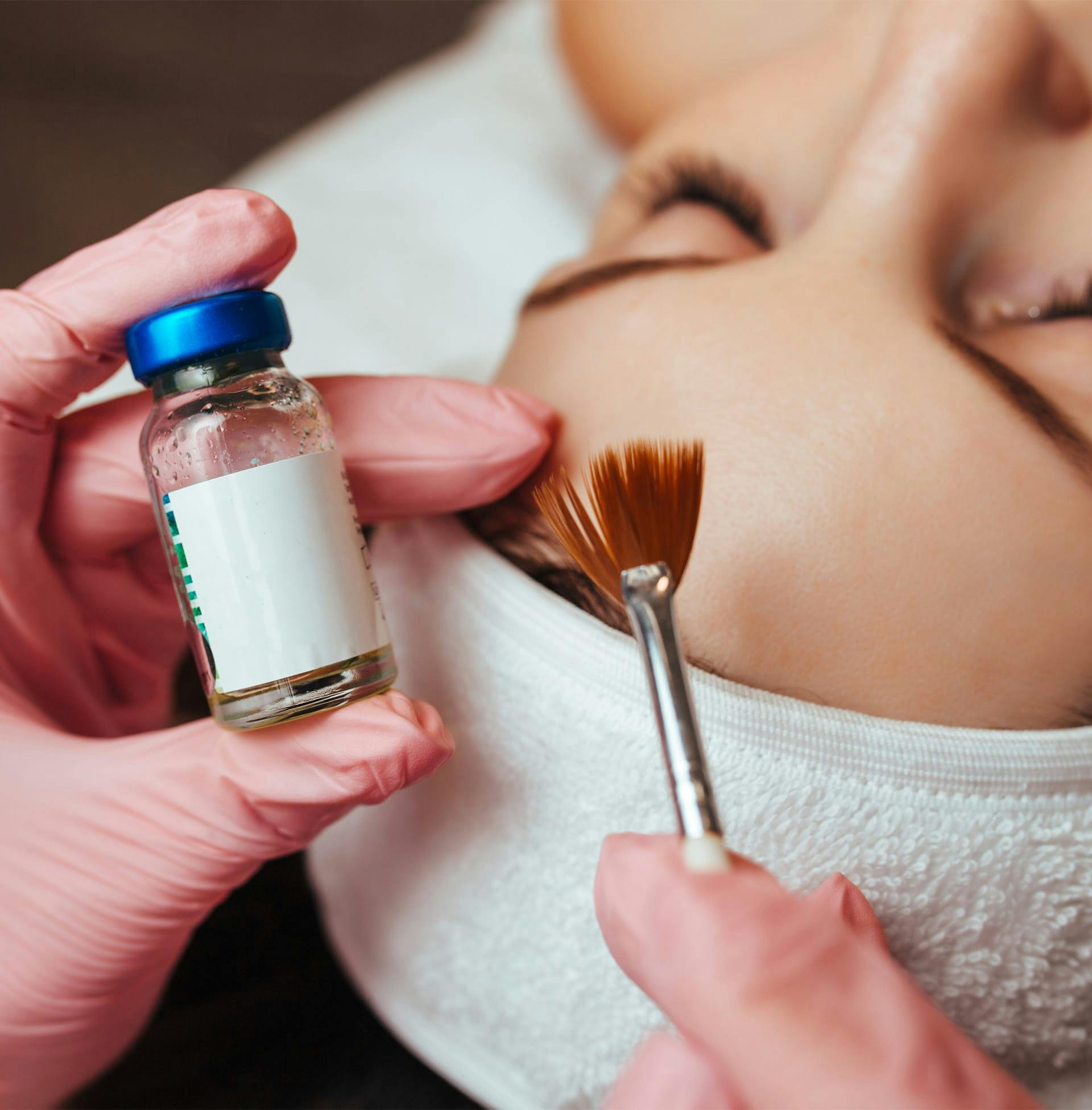
Chemical peels in Edinburg & McAllen, TX, are suitable for a wide range of individuals looking to improve the appearance and health of their skin. Candidates often include those with concerns such as fine lines, wrinkles, uneven skin tone, hyperpigmentation, sun damage, acne or acne scars, and rough texture. Candidates need to have realistic expectations and be in good overall health. Consulting with a skincare professional or dermatologist can help determine the most appropriate peel type and strength for specific skin concerns and types, ensuring a safe and effective treatment plan tailored to individual needs.

Rios Girls Do Peels Best
Dr. Rios’ medical estheticians Audrey and Annie are focused on patient care and satisfaction. When you come in for your chemical peel, we make sure you feel comfortable at every step of the way and that you leave happy with your results. With over a decade of experience, each of our medical estheticians have received world-class training in our peels to offer their expertise to you, right here in Edinburg. Come see why South Texas trusts the Rios name in all things beauty—you won’t be disappointed.

Chemical Peels FAQs
How often can you get a chemical peel?
Should you stop using retinol before a chemical peel?
Can you wear makeup after a chemical peel?
Can chemical peels be combined with other aesthetic treatments?
What should you avoid doing after a chemical peel?
Are chemical peels suitable for sensitive skin?
How long should you wait between a chemical peel and a special event?
How often can you get a chemical peel?
The recommended frequency depends on the type of peel, its strength, and your skin's response to treatment. Some superficial peels may be performed every few weeks, while stronger treatments require longer intervals. Your skincare provider can recommend a schedule that allows your skin to recover between sessions.
Should you stop using retinol before a chemical peel?
You may need to temporarily discontinue retinol, prescription retinoids, exfoliating acids, and other active skincare ingredients before treatment. The appropriate timing depends on your products and skin sensitivity, so follow the specific preparation instructions provided by your skincare professional.
Can you wear makeup after a chemical peel?
Your provider may recommend waiting before applying makeup, particularly if your skin is still irritated, peeling, or sensitive. Applying cosmetics too soon can cause discomfort or interfere with the skin's recovery. Follow your aftercare instructions before returning to your usual makeup routine.
Can chemical peels be combined with other aesthetic treatments?
Chemical peels may be incorporated into a broader skin rejuvenation plan alongside treatments such as microneedling or laser procedures. However, the treatments may need to be scheduled separately to avoid excessive skin irritation. Your provider can determine which combinations and treatment intervals are appropriate.
What should you avoid doing after a chemical peel?
Avoid picking, pulling, or scrubbing peeling skin, as this can increase the risk of irritation and unwanted marks. You may also need to temporarily avoid exfoliating products, retinoids, hot environments, and strenuous activities that cause excessive sweating. Follow your provider's recommendations for your specific peel.
Are chemical peels suitable for sensitive skin?
People with sensitive skin may still be candidates for certain chemical peels, but treatment selection requires additional consideration. Your provider will evaluate your skin's sensitivity, current condition, and history of irritation before recommending an appropriate formulation and treatment approach.
How long should you wait between a chemical peel and a special event?
It is generally best to schedule a chemical peel several weeks before an important event rather than waiting until the last minute. Recovery varies depending on the treatment's strength and your individual skin response. Your provider can help determine an appropriate timeline to allow your skin to settle before your event.